

Americans unexpectedly reduced retail spending in July. The headline is important—but the details tell a more useful story about cars, gasoline, tax refunds, and the limits of monthly data.
- Retail and food-service sales fell 0.6% from June, the largest monthly decline since May 2025.
- Sales excluding gasoline stations and auto dealers still fell 0.2%, suggesting weakness was not confined to cars.
- The data are not adjusted for inflation, so they measure dollars spent rather than the quantity of goods purchased.
The first signal is loss of momentum, not proof of recession
July’s decline followed a revised 0.2% gain in June and stronger spending in April and May, when tax refunds supported purchases. Motor-vehicle and parts dealers were a major drag, with sales down 1.8%. That matters because autos are expensive, rate-sensitive purchases that households can postpone. But one month does not establish a trend: revisions, seasonal adjustment, and volatile categories can change the picture.
Why the “control group” matters
Economists often look beyond gasoline, autos, building materials, and restaurants to a narrower group that feeds more directly into estimates of consumer spending in gross domestic product. A weak headline paired with a healthier control group can imply rotation rather than collapse; weakness across both is more concerning. Readers should also watch real consumer spending, because retail sales are reported in current dollars and higher prices can make spending look resilient even when families buy less.

The household explanation
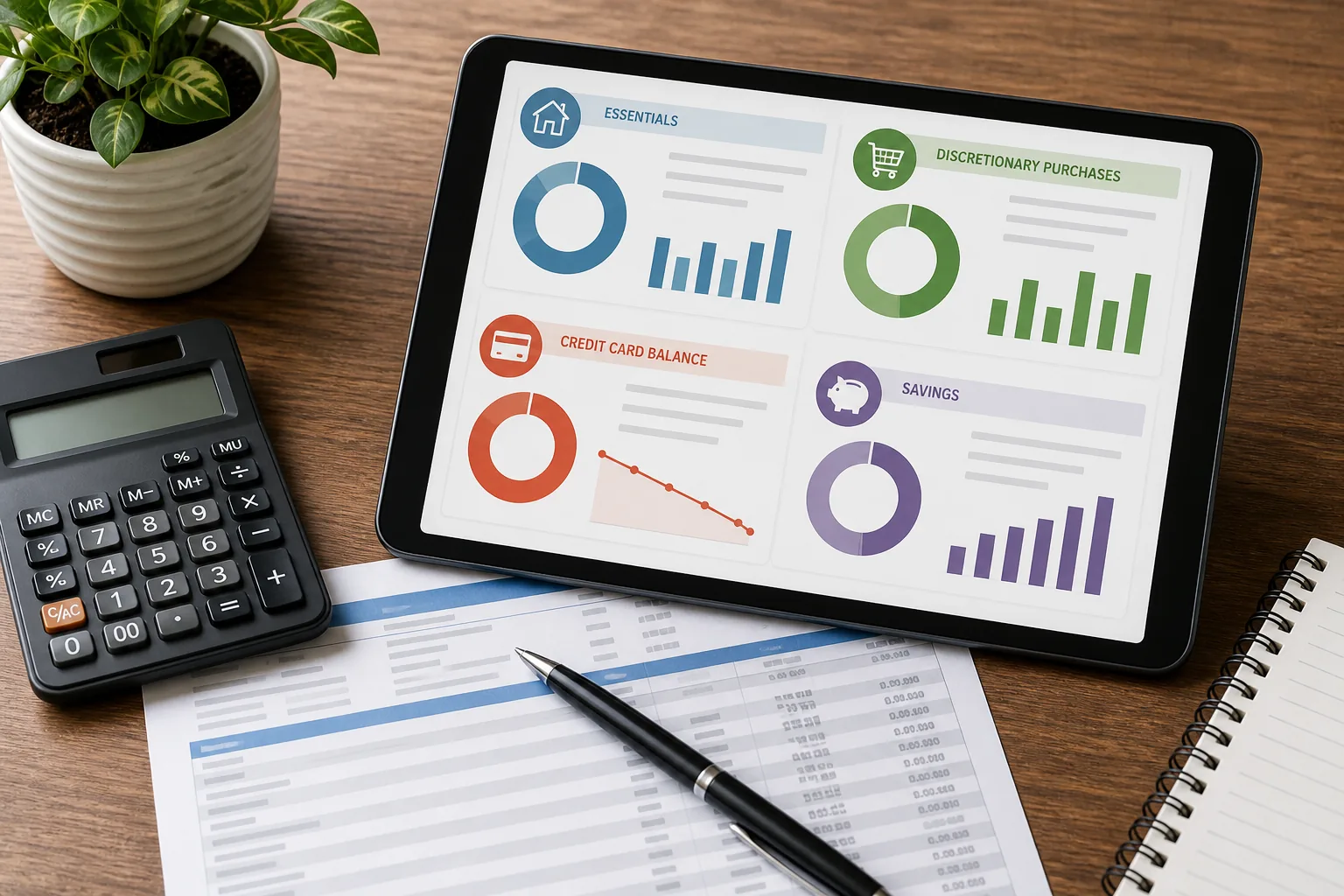
The most plausible pressure points are cumulative: gasoline around four dollars nationally, groceries still above year-earlier levels, expensive credit-card balances, and less temporary support from refunds. A household can keep total spending stable for months by reducing savings or using credit, but that is not the same as healthy demand. The revealing categories are restaurants, discretionary goods, and big-ticket items—places where caution tends to appear first.
What this means for rates and markets
Softer spending can reduce demand-driven inflation and make additional Federal Reserve tightening less necessary. Yet an abrupt slowdown can also cut corporate revenue and hiring. Investors should resist the simplistic “bad news is good news” trade: lower yields may help valuations, but weakening earnings eventually matter. Retailers with essential products, strong loyalty, and low debt may fare differently from discretionary sellers dependent on promotions and financing.
What to watch next
Compare three releases rather than reacting to one: the next retail-sales revision, inflation-adjusted personal consumption expenditures, and weekly or monthly labor-market data. For households, the practical response is not panic. Review the last three months of card and bank transactions, identify discretionary categories already rising, and avoid financing purchases that were affordable only under the assumption of uninterrupted income.
Practical takeaway
The useful response is to separate a confirmed fact from a forecast, identify who is actually affected, and wait for the next decisive data point before making a costly decision. Save notices and records, compare official information by date, and avoid acting from a headline alone.
Important: This article provides general educational information, not individualized financial, investment, legal, insurance, or medical advice. News and rules can change after publication.