

A medical bill is not automatically correct—and the best time to challenge it is before a collector enters the picture.
- Ask the provider for a detailed, itemized bill and place the account on an administrative hold.
- Match every line to your Explanation of Benefits (EOB), not just the total.
- Dispute errors in writing and keep a dated paper trail.
Start by stopping the clock
Call the billing office, say you are reviewing a possible error, and ask that the account be marked “disputed” and paused from collections. Get the representative’s name, reference number, and the hold’s expiration date. A promise to “note the account” is weaker than a defined hold, so ask when you must follow up. Do not put a questionable balance on a credit card merely to end the call; that can turn a negotiable medical balance into ordinary consumer debt.
Build a three-document comparison
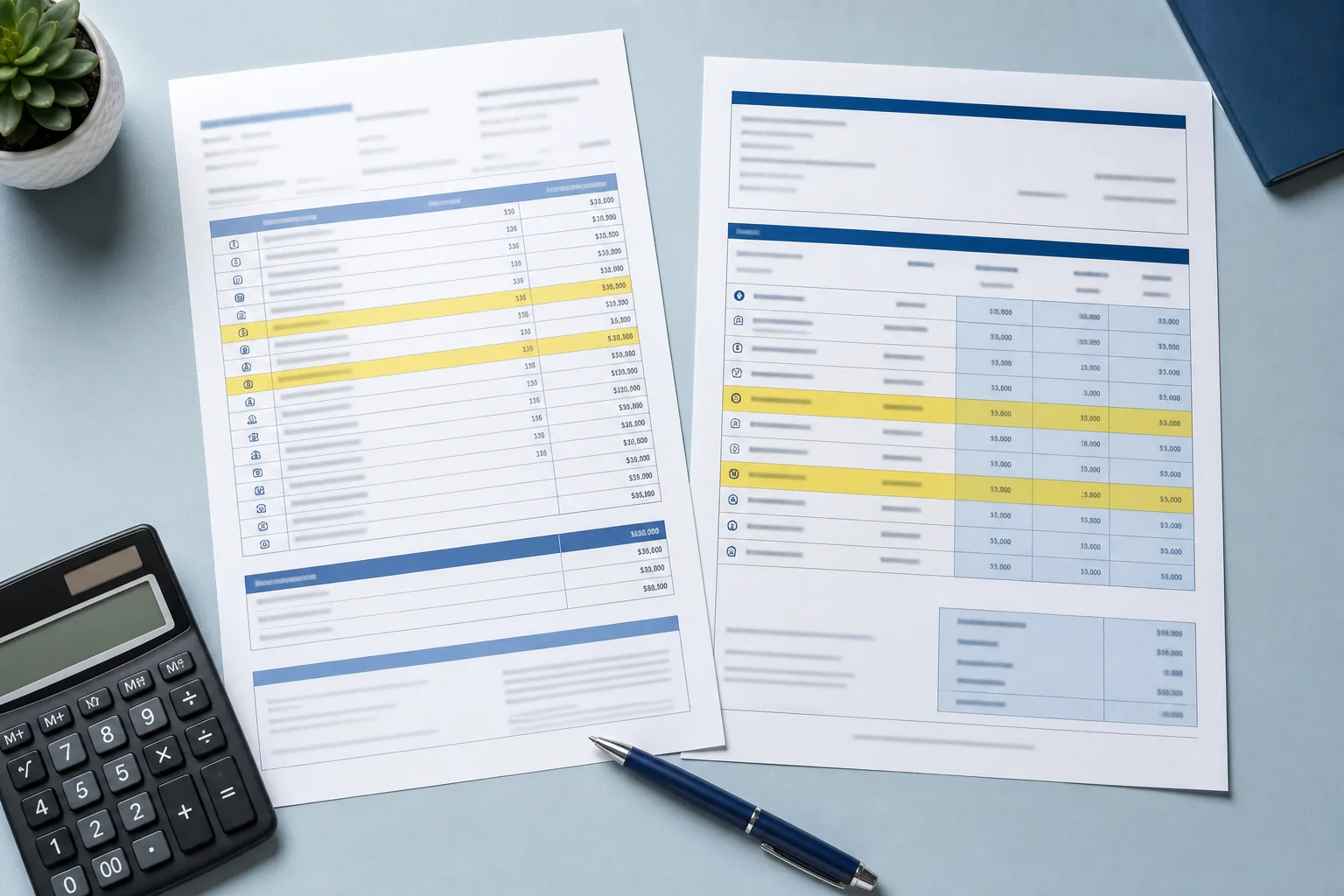
Put the provider’s itemized bill beside the insurer’s EOB and your own calendar or visit notes. Compare patient name, dates, provider, procedure codes, units, insurer adjustments, payments, and patient responsibility. Common problems include duplicate services, the wrong quantity, a canceled procedure, an out-of-network clinician you did not choose, insurance billed under stale information, or a payment posted to the wrong account. An EOB saying “you may owe” is not itself a bill.
Use the right dispute lane
Billing or coding errors go first to the provider. Coverage decisions and denied claims go through the insurer’s appeal process. Certain unexpected out-of-network charges may fall under the federal No Surprises Act; contact the federal No Surprises Help Desk when appropriate. If you were uninsured or self-pay and the final bill is at least $400 above a good-faith estimate, a federal patient-provider dispute may be available if you act within 120 days of the initial bill.
Write a dispute that is easy to approve
Identify the account and disputed line, state the exact correction requested, and attach copies—not originals—of the bill, EOB, receipts, and relevant correspondence. Send it through a trackable channel and request a corrected bill in writing. Avoid a long emotional narrative; a short timeline plus evidence gives a reviewer something concrete to fix.
If collections contacts you
Do not ignore a collector. Ask for validation information. A written dispute sent within 30 days after receiving the validation notice generally requires the collector to pause collection of the disputed amount until it responds. Keep communicating in writing and never provide bank-login credentials. A collector’s involvement does not prove the bill is accurate.
Documents worth saving
- Account numbers, dates, case numbers, and names of representatives
- Copies of forms, letters, reports, screenshots, and delivery confirmations
- A one-page timeline showing what happened and what you requested
Important: This guide provides general educational information, not legal, tax, credit, medical, or financial advice. Rules and eligibility can depend on your state and circumstances. Act promptly when a notice gives a deadline.
Official next steps
Bottom line
The person who gets the best result is usually not the loudest caller; it is the person who identifies the correct process, supplies organized evidence, and follows every deadline. Save this checklist now, because the details are hardest to reconstruct after an account is closed, transferred, or deleted.