

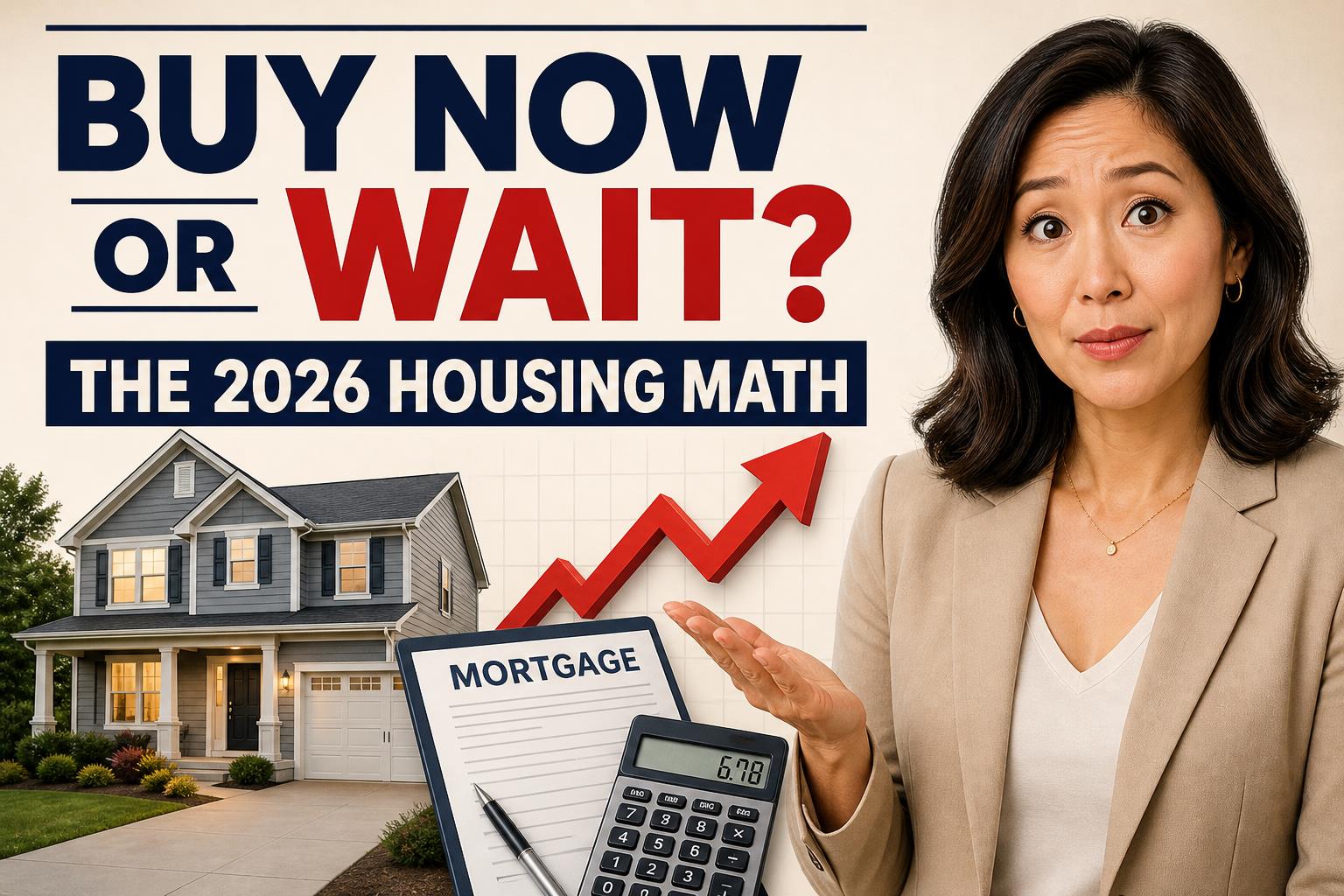
Existing-home sales fell again in July while prices remained near records and the typical 30-year mortgage rate reached 6.69%. The useful question is not whether the national market is “good.” It is whether one particular home works with your cash flow today, even if rates do not fall.
Why the market feels frozen
High prices and high borrowing costs are occurring together. Owners with older low-rate mortgages are reluctant to sell, limiting desirable inventory. Buyers qualify for less because every rate increase raises the payment. July existing-home sales declined 1.7%, while the average 30-year rate recently reached 6.69%, according to reporting based on NAR and Freddie Mac data. National averages, however, cannot tell you whether a specific neighborhood has excess inventory, seller concessions, or intense competition.
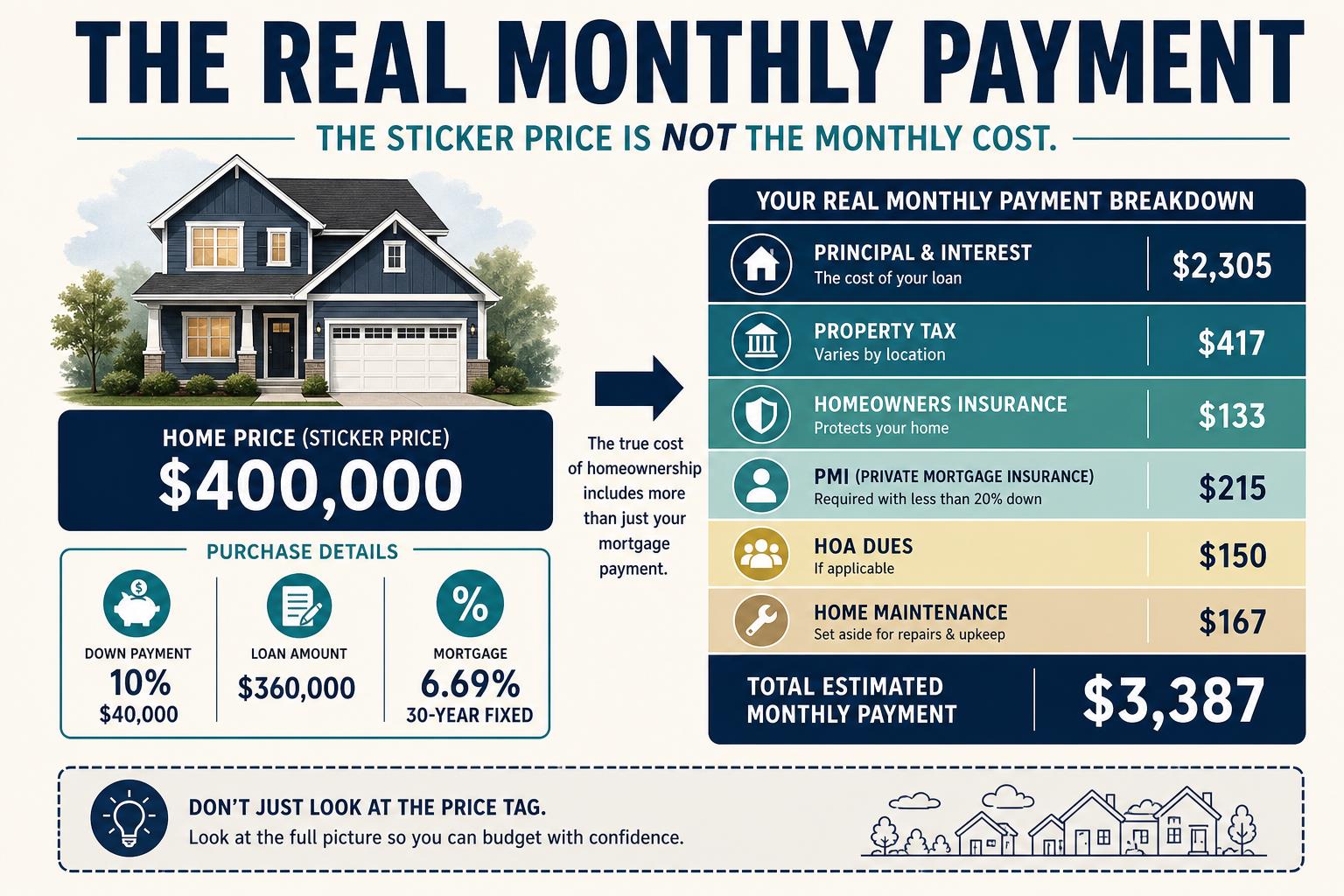
The monthly payment most listings hide
Principal and interest are only the beginning. Add property tax, homeowners insurance, mortgage insurance when applicable, HOA dues, utilities, and a repair reserve. Taxes and insurance can increase after closing, and a newly purchased home may be reassessed. Request the actual tax history and insurance quotes before making an offer.
The calculation that changes the answer
For a fixed-rate loan, the monthly principal-and-interest payment is determined by loan size, rate and term. But the better comparison is the five-year unrecoverable cost:
- Interest paid during the period
- Property tax, insurance, HOA and maintenance
- Buyer closing costs and likely selling costs
- Minus principal repaid and any realistic—not guaranteed—price appreciation
Compare that number with five years of rent, renters insurance and expected rent increases. Do not compare rent only with principal and interest; that makes ownership look artificially cheap.
| If rates later fall | If rates stay high |
|---|---|
| Refinancing may lower the payment, but requires qualification, appraisal and closing costs. | Your purchase must remain comfortable under the original payment. |
| Other buyers may return, supporting prices. | Affordability pressure may restrain demand and resale value. |
Run three stress tests before offering
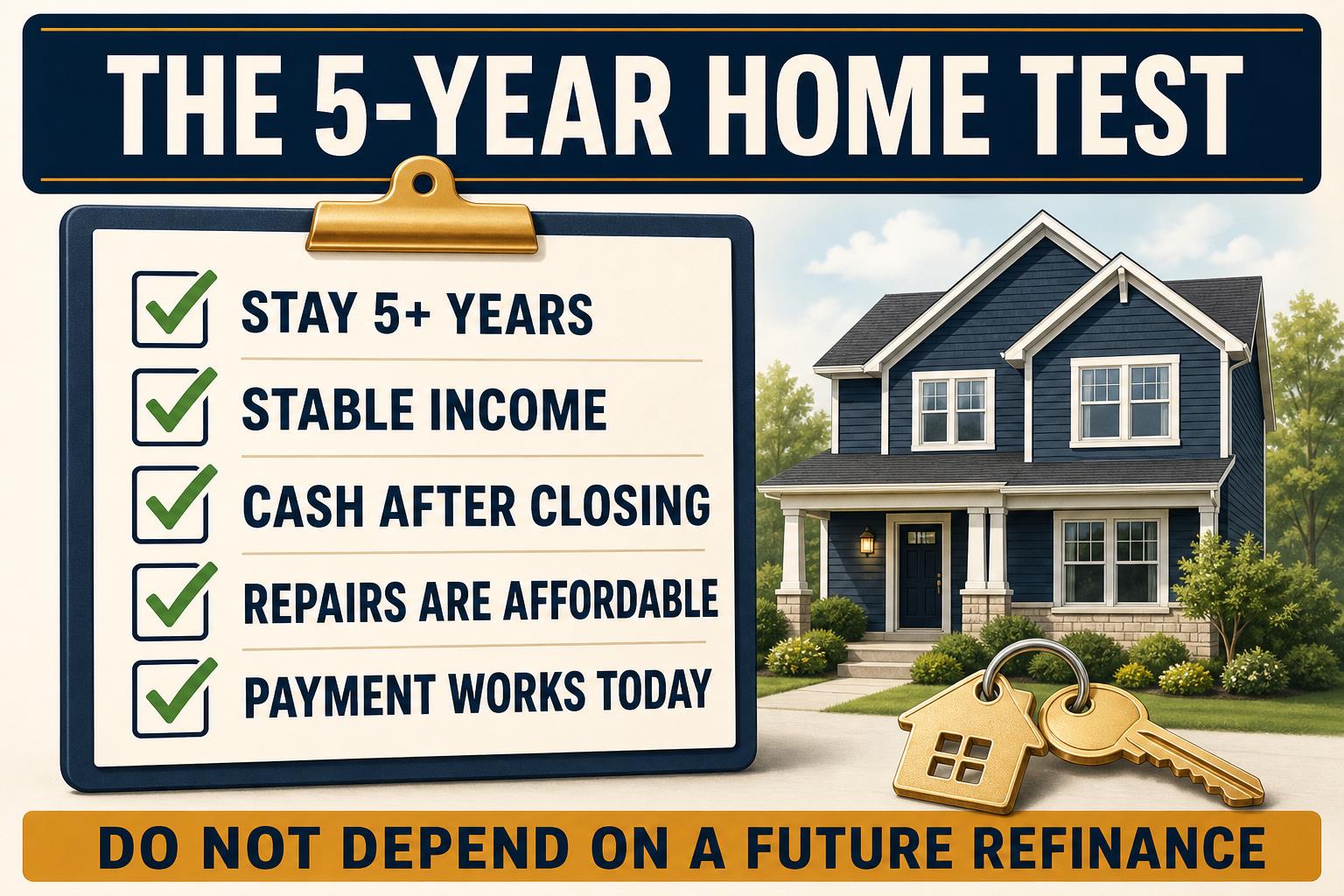
1. The cash-after-closing test
After the down payment, closing, moving and immediate repairs, keep several months of essential expenses plus a home-repair reserve. A larger down payment is not safer if it leaves no cash for a roof leak or job interruption.
2. The one-income or income-shock test
Recalculate the budget after reducing household take-home pay by 15% to 25%. If the home immediately forces credit-card borrowing, the price is too high for your risk tolerance.
3. The maintenance test
Inspect major systems and estimate their remaining life. A $15,000 HVAC or roof replacement can overwhelm the apparent savings from negotiating $5,000 off the purchase price.
When buying now can make sense
- You expect to remain in the area for at least five to seven years.
- The full housing payment leaves room for retirement saving and emergencies.
- You found a sound property at a price supported by recent comparable sales.
- You can negotiate seller-paid closing costs or a permanent rate buydown without overpaying.
- You value housing stability enough to accept ownership risk.
When waiting is financially stronger
- Your job, family size or location may change soon.
- You would use nearly all liquid savings to close.
- Comparable rent is far below the unrecoverable ownership cost.
- You carry high-interest debt or have unstable income.
- The deal works only if rates fall or the home rapidly appreciates.
Your next three calls
- Request written Loan Estimates from at least three lenders on the same day and compare APR, points, lender credits and cash to close.
- Ask an insurance agent for an address-specific quote and relevant flood, wildfire or wind exclusions.
- Use a HUD-approved housing counselor for an independent affordability review; call 800-569-4287.
FAQ
Should I wait for mortgage rates to fall?
No one can promise when or how far they will fall. Buy only if today’s payment works; treat a future refinance as an option, not the plan.
Is 20% down always best?
It can avoid mortgage insurance, but preserving liquidity may be more valuable. Compare actual loan offers and total cost.
What is the decisive number?
The highest all-in monthly payment you can sustain while still saving and absorbing repairs—not the maximum a lender approves.
Use the CFPB’s homebuyer readiness guide and HUD’s buying-a-home resources. This article is educational, not individualized financial advice.